Businesses are moving beyond simple chatbots. The next generation of business automation uses AI agents: software systems that can understand a goal, use approved tools, work with business data and complete multi-step tasks with appropriate human oversight.
A well-designed AI agent does more than answer a question. It can qualify an enquiry, look up a customer record, prepare a response, create a follow-up task and update an internal dashboard. This is why demand for professional AI agent development services is growing across sales, support, ecommerce, healthcare, education, hospitality and operations.
What is an AI agent?
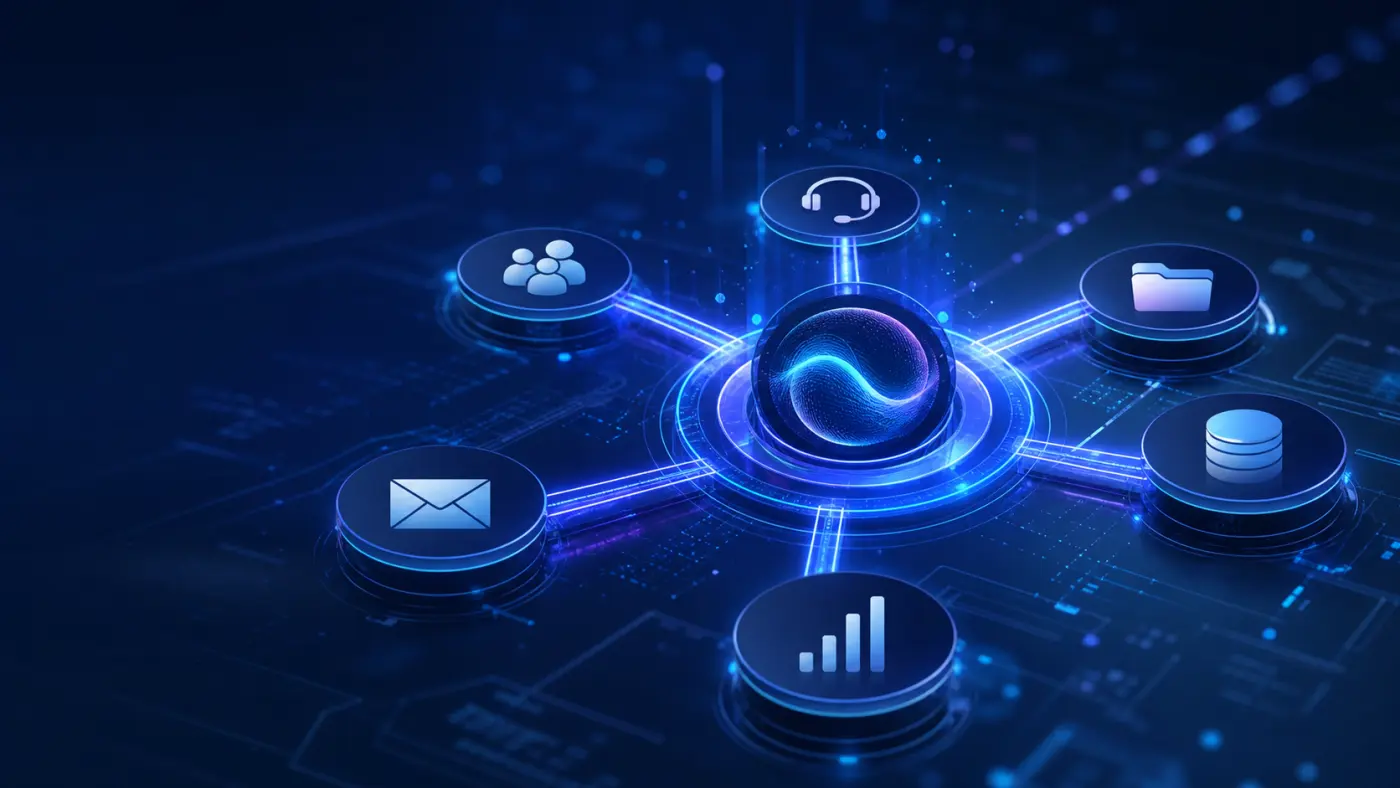
An AI agent is an application that combines an AI model with instructions, business context, memory and controlled access to tools. Depending on its permissions, an agent may search an approved knowledge base, read documents, call an API, update a CRM, draft an email or route a request to the correct team.
The key difference between an AI agent and a basic chatbot is action. A chatbot generally responds within a conversation. An agent can follow a defined workflow and take authorised steps toward an outcome.
Where custom AI agents create business value
1. Customer support and enquiry handling
An AI support agent can answer frequently asked questions from approved company information, collect missing details and escalate complex cases with a useful summary. Customers receive faster responses while staff spend less time repeating the same information.
2. Sales qualification and follow-up
A sales agent can ask structured questions about budget, timeline, business type and requirements. It can score the opportunity, save the lead and prepare the next action for a salesperson. The objective is not to remove human selling; it is to give the sales team better-qualified conversations.
3. Document and data processing
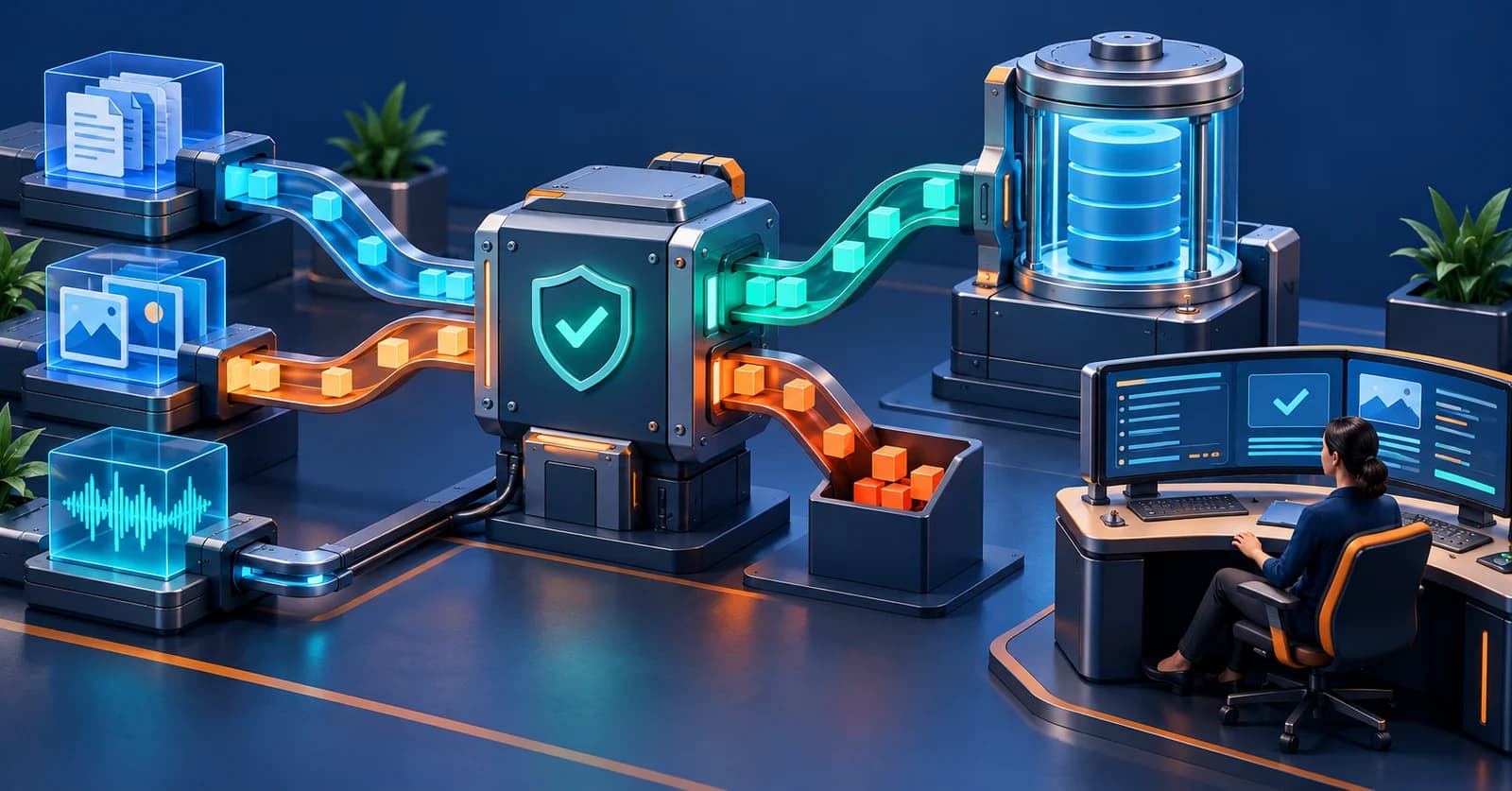
Businesses process invoices, applications, resumes, reports, forms and PDFs every day. A document agent can extract relevant fields, validate required information and organise the result for review. Human approval should remain part of workflows where accuracy or compliance matters.
4. Internal knowledge assistants
A private agent can help employees find policies, product details, operating procedures and project information from authorised sources. Access controls are essential so users only receive information they are permitted to see.
5. Reporting and operational coordination
Agents can combine information from approved systems, identify items needing attention and produce daily summaries. Examples include pending payments, unresolved support requests, low stock, delayed bookings or incomplete applications.
What an AI agent development project includes
Reliable AI agent development is a product and integration project—not simply a prompt-writing exercise. A practical implementation normally includes:
- Business workflow discovery and measurable success criteria
- Agent instructions, boundaries and escalation rules
- Knowledge-base preparation and document retrieval
- CRM, email, WhatsApp, website, ERP or custom API integrations
- Role-based access and protection of sensitive data
- Human approval for important or irreversible actions
- Conversation logs, monitoring, evaluation and improvement
- A dashboard for visibility into requests, actions and outcomes
Single-agent and multi-agent systems
Many businesses should begin with one focused agent. For example, a website enquiry agent that captures structured requirements and creates leads can produce value without unnecessary complexity.
A multi-agent system may be useful when responsibilities are genuinely separate. One agent might classify a request, another retrieve internal information and another prepare a response for approval. The architecture should follow the workflow—not introduce multiple agents merely because the technology allows it.
Security and control are part of the product
An AI agent should operate with the minimum permissions it needs. Sensitive tools must require authentication, inputs should be validated, and high-impact actions should include confirmation or human review. Logs should make it possible to understand which information was used and what action was attempted.
Businesses should also decide which information may be sent to an AI provider, how long data is retained and which users can access agent history. These decisions belong in the initial design, not as an afterthought.
How to choose an AI agent development company
Look for a team that can build the complete workflow: user interface, backend APIs, database, admin panel, model integration, permissions, deployment and monitoring. Ask how the team handles incorrect answers, unavailable tools, human escalation and changes to your business data.
A credible development partner should recommend a controlled first use case, define how success will be measured and explain ongoing model and infrastructure costs clearly.
Start with one high-value workflow
The best first AI agent project is usually a repetitive process with clear inputs, predictable actions and a measurable outcome. Good starting points include lead qualification, support triage, document intake, appointment follow-up or internal knowledge search.
Esperto Technologies provides custom AI agent development services for businesses that need connected, secure and practical automation. We build customer-facing agents, staff copilots, document workflows, API integrations and admin dashboards around real business processes.
Discuss your AI agent requirement with Esperto Technologies or explore our AI automation services.